
The goal of our topic to develop innovative technologies that address critical global challenges in health, sustainability, and environmental safety. This includes creating advanced systems to ensure food safety, as well as solutions for disease detection to enhance medical diagnostics. It also focuses on pioneering processes for sustainable fertilizer production, implementing methods for clean water purification, and advancing approaches for toxin removal in the human body. These initiatives collectively aim to foster a healthier, safer, and more sustainable future.
SENSOR to FOOD
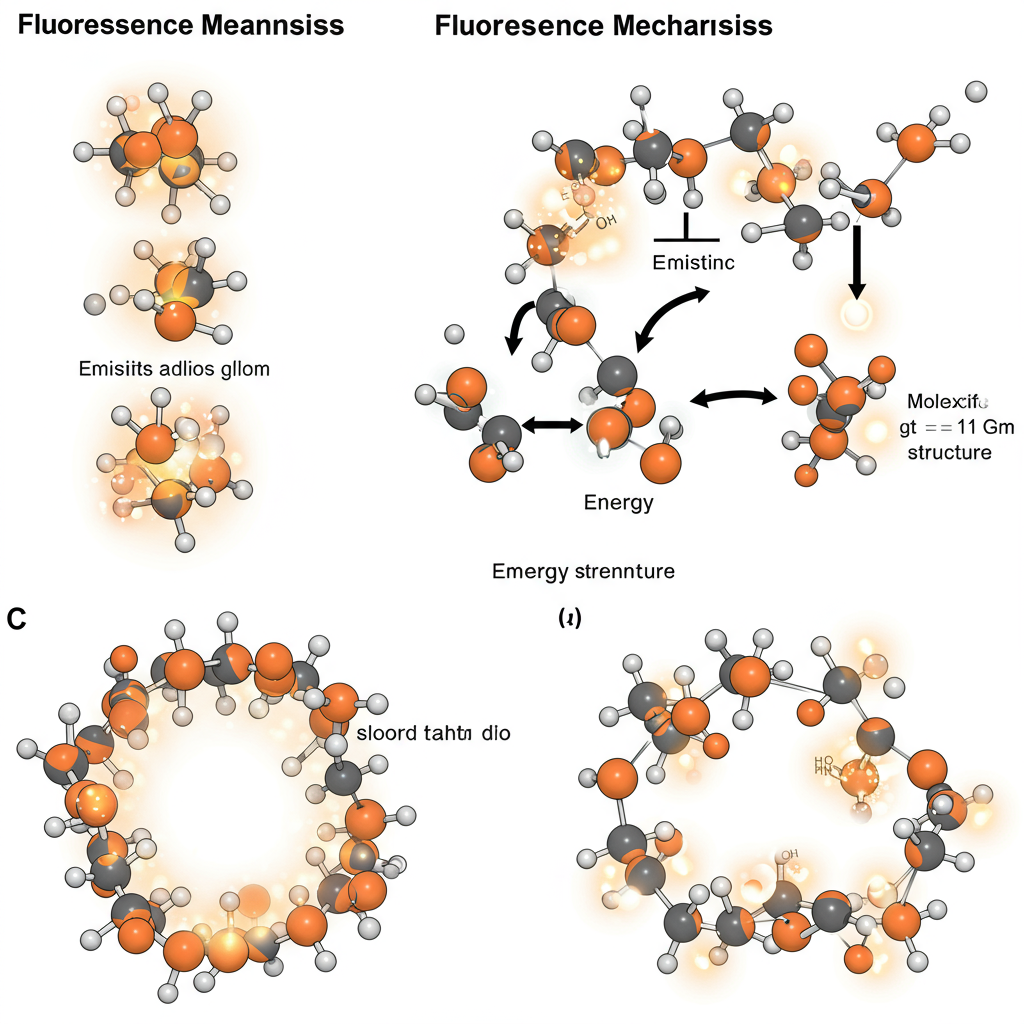
A sensor utilizing the photoluminescence mechanism for detecting toxicology and residues in food leverages light emission properties to identify harmful substances. This advanced technology detects contaminants, toxins, and chemical residues by analyzing changes in photoluminescent signals when exposed to specific substances. These sensors provide highly sensitive and rapid detection, enabling real-time monitoring of food quality. Compact and energy-efficient, they are ideal for use in food processing, quality control, and consumer-level applications, ensuring safer food and reducing health risks.
SENSOR to DISEASE
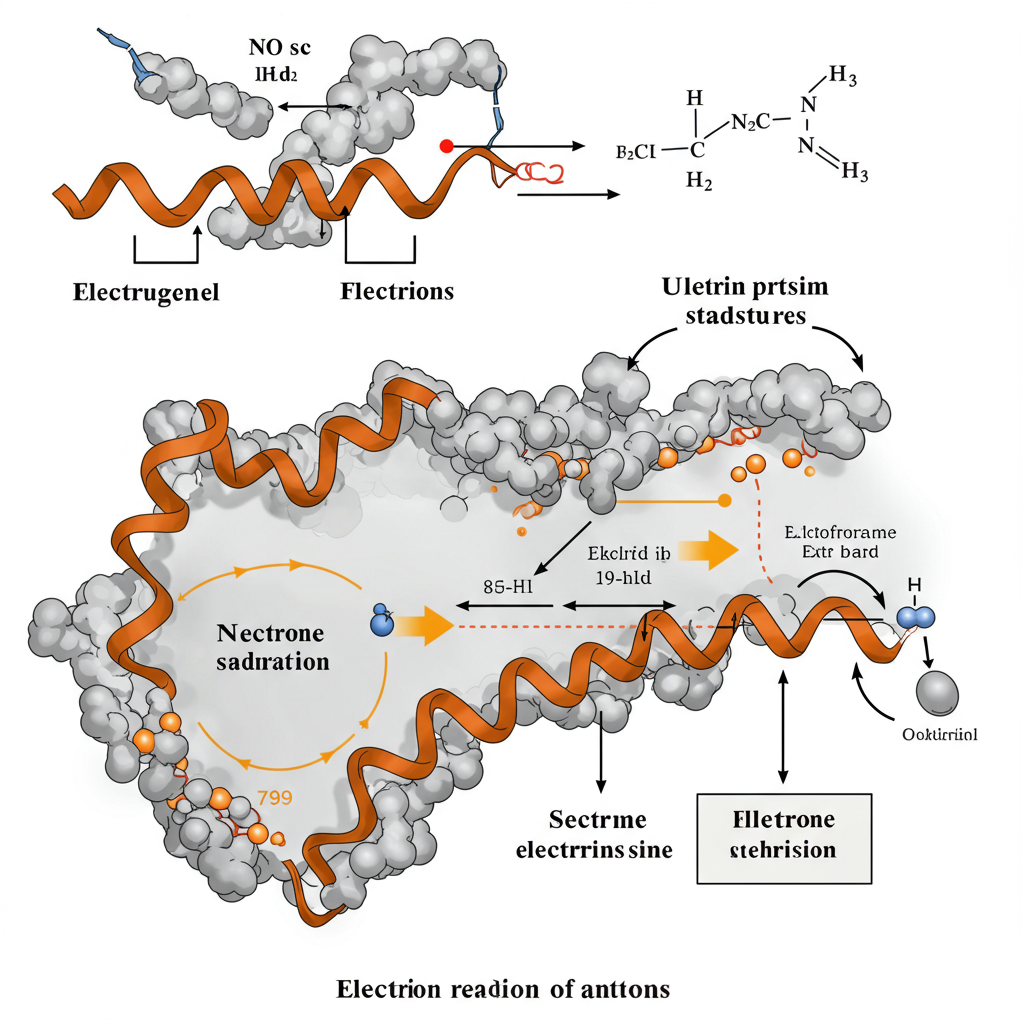
A sensor utilizing the electrochemical mechanism for disease detection in the human body operates by analyzing biochemical changes through electrical signals. It detects specific biomarkers, such as proteins, enzymes, or DNA fragments, associated with diseases by measuring their interactions with a specially designed electrode. These sensors offer high sensitivity and accuracy, providing rapid, real-time results for early diagnosis and monitoring of health conditions. Compact and efficient, they are widely used in medical diagnostics, wearable devices, and point-of-care testing, contributing to improved healthcare outcomes.
ELECTROCHEMICAL NITROGEN REDUCTION
Electrochemical nitrogen reduction to ammonia is a sustainable and innovative approach for fertilizer production. This process involves converting atmospheric nitrogen (N₂) into ammonia (NH₃) using an electrochemical system powered by renewable energy. At its core, a catalyst and electrolyte work within the system to facilitate the nitrogen reduction reaction (NRR) under mild conditions, unlike the energy-intensive Haber-Bosch process.
This method not only reduces carbon emissions by utilizing clean energy but also enables localized ammonia production, bypassing the need for large-scale industrial setups. The resulting ammonia serves as a key ingredient in fertilizers, supporting agricultural productivity while addressing environmental concerns associated with traditional methods.


PHOTOELECTROCHEMICAL WATER PURIFICATION
Photoelectrochemical water cleaning and purification is an innovative process that uses light and electrochemical reactions to remove contaminants from water. This technique involves a photoelectrode, which absorbs light energy to drive reactions that break down harmful substances such as organic pollutants, heavy metals, and pathogens. The process generates reactive species, such as hydroxyl radicals, that degrade or neutralize pollutants, resulting in purified water.
Powered by renewable light sources, such as sunlight, this method is both energy-efficient and environmentally friendly. It holds great potential for sustainable water treatment, particularly in areas lacking access to clean drinking water.
TOXICOLOGY REMOVAL
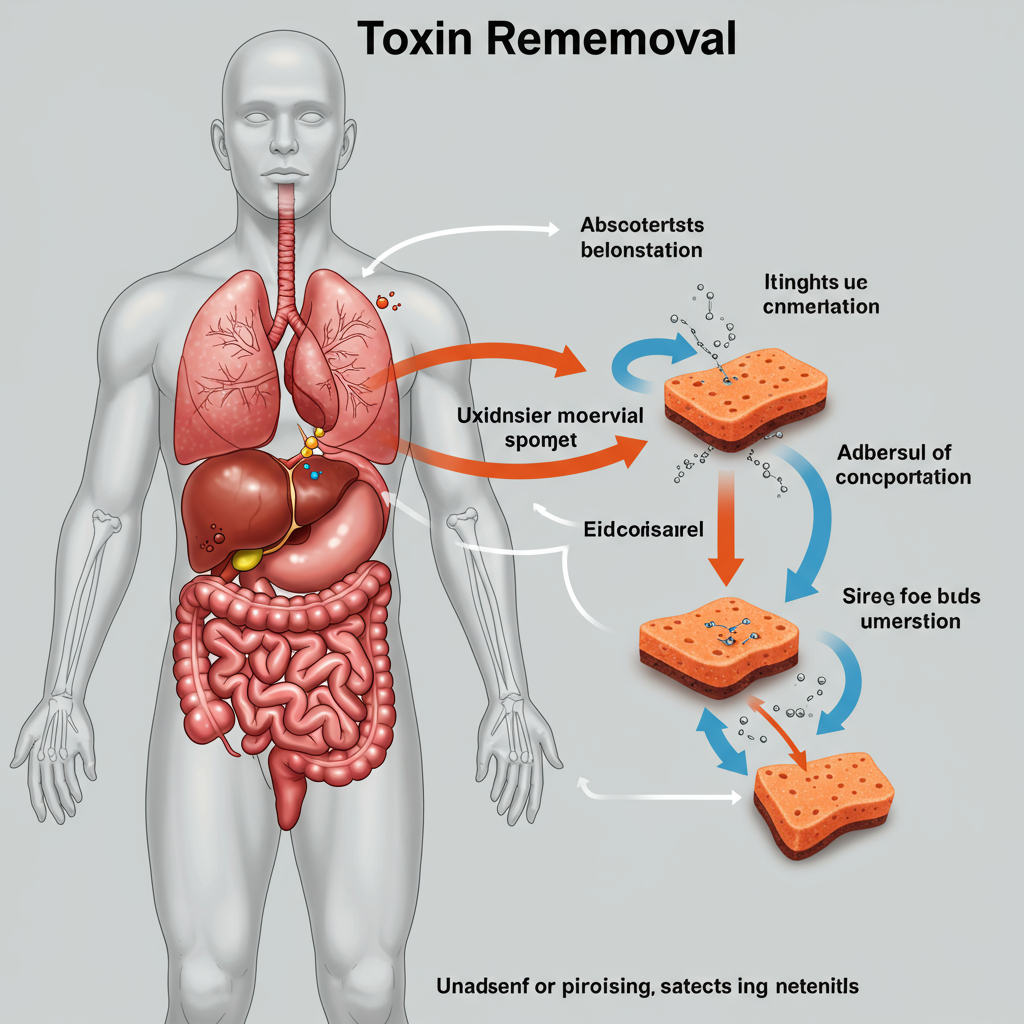
Toxicology removal in the human body using absorbents involves the use of materials, such as activated charcoal or specific pharmaceuticals, designed to bind toxins and prevent their absorption into the bloodstream. These absorbents work by trapping harmful substances, like drugs, chemicals, or poisons, within their porous structure through physical or chemical interactions. Once bound, the toxins are safely eliminated from the body through natural processes, such as excretion.
This method is often used in medical treatments for poisoning or overdose due to its efficiency in reducing toxin levels quickly. It provides a non-invasive, effective way to mitigate toxic effects and protect vital organ functions.
 Hi, I'm Nguyen